


Healthcare uniforms face a different set of demands compared to most workplace garments. In hospitals, clinics, laboratories, care facilities, and medical centres, staff wear uniforms for long shifts and wash them frequently throughout their lifespan.
While appearance remains important, healthcare organisations must also consider how fabrics perform after dozens or even hundreds of wash cycles. A uniform that looks good when first issued may quickly become problematic if it fades, shrinks, loses shape, or becomes uncomfortable after repeated laundering.
For organisations investing in healthcare uniforms, fabric selection significantly affects durability, comfort, replacement cycles, and long-term operational costs.
Healthcare Uniforms Are Washed More Frequently Than Most Workwear
Many industries wash uniforms regularly, but healthcare environments often require far more frequent laundering.
Healthcare employees may wash uniforms:
- Daily
- After every shift
- Multiple times per week
- According to strict workplace protocols
Over time, this repeated laundering places significant stress on fabrics.
Common issues include:
- Colour fading
- Shrinkage
- Fabric thinning
- Loss of shape
- Stitching deterioration
The ability to withstand high-frequency washing should therefore be one of the primary considerations when selecting fabrics for medical uniforms and hospital uniforms.
Fabric Durability Impacts Replacement Costs
Uniform replacement costs can become substantial for large healthcare organisations.
A garment that requires replacement after six months creates significantly higher costs than one that remains serviceable for several years.
When evaluating healthcare uniform fabrics, organisations should consider:
- Resistance to wear
- Long-term fabric stability
- Colour retention
- Structural integrity after repeated washing
Durability is particularly important for hospitals and healthcare providers managing large teams across multiple departments.
Cotton Offers Comfort but Requires Careful Evaluation
Cotton remains a popular choice in healthcare apparel because of its comfort and breathability.
Advantages include:
- Soft feel against the skin
- Good airflow
- Comfort during long shifts
- Natural fibre composition
However, cotton may also present challenges in high-frequency laundering environments.
Potential considerations include:
- Shrinkage
- Longer drying times
- Increased wrinkling
- Faster wear compared to some blended fabrics
For this reason, many healthcare organisations evaluate cotton alongside other fabric options rather than relying exclusively on it.
Blended Fabrics Are Common in Healthcare Uniforms
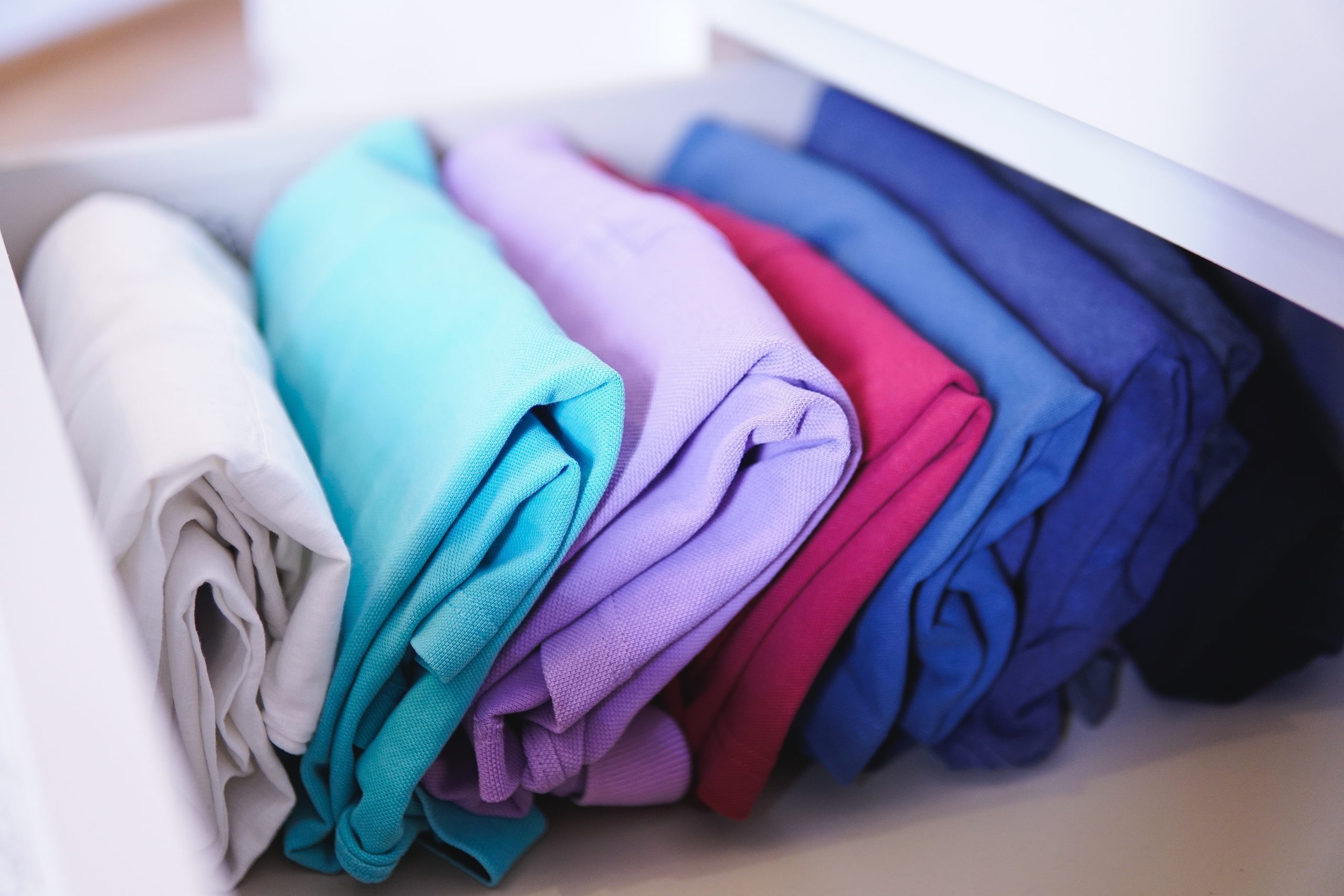
Many modern healthcare uniforms use fabric blends that combine the benefits of different fibres.
Common advantages include:
- Improved durability
- Better shape retention
- Reduced wrinkling
- Faster drying times
- Greater colour stability
Blended fabrics are often selected because they help maintain a professional appearance throughout the garment lifecycle while supporting the practical requirements of healthcare environments.
Colour Retention Matters More Than Many Organisations Realise
Colour plays an important role in healthcare uniform systems.
Many facilities use colour coding to help distinguish:
- Nurses
- Doctors
- Laboratory teams
- Administrative staff
- Support services
Frequent washing can gradually affect colour consistency if fabrics are not suitable for repeated laundering.
Poor colour retention may create:
- Inconsistent appearance across teams
- Difficulty maintaining colour-coded systems
- More frequent garment replacement
When selecting hospital uniforms, organisations should evaluate how fabrics perform after extended washing cycles rather than focusing solely on initial colour appearance.
Comfort Remains Important During Long Shifts
Healthcare professionals often work demanding schedules.
Many employees spend hours:
- Standing
- Walking between departments
- Assisting patients
- Handling equipment
- Responding to urgent situations
As a result, comfort remains a critical factor when selecting medical uniforms.
Fabric considerations often include:
- Breathability
- Weight
- Flexibility
- Moisture management
- Softness against the skin
A durable fabric that creates discomfort may reduce employee satisfaction and affect daily wearability.
Fabric Weight Should Match the Working Environment
Fabric weight influences both comfort and durability.
Lighter fabrics may provide:
- Improved airflow
- Reduced heat retention
- Greater comfort in warmer environments
Heavier fabrics may offer:
- Increased durability
- Better structure
- Longer garment lifespan
The most suitable option depends on the healthcare environment and employee responsibilities.
This is one reason many healthcare providers conduct wear trials before finalising large-scale healthcare uniform programs.
Stitching and Construction Are Just as Important as Fabric
Fabric performance alone does not determine garment lifespan.
Construction quality also influences how uniforms perform under repeated laundering.
Areas commonly affected by wear include:
- Pocket openings
- Side seams
- Sleeve attachments
- Cuffs
- Collar construction
Two uniforms made from the same fabric can perform very differently depending on how they are manufactured.
Healthcare organisations should therefore evaluate complete garment quality rather than focusing solely on fabric specifications.
Testing Before Large-Scale Rollout Can Prevent Problems
Healthcare uniform programs often involve hundreds or thousands of employees.
Small issues can become significant when multiplied across an entire workforce.
Many organisations therefore conduct:
- Fabric testing
- Wash testing
- Wear trials
- Fit evaluations
- Employee feedback sessions
These processes help identify potential concerns before large-scale production begins.
Long-Term Performance Should Guide Fabric Selection

When evaluating healthcare uniform fabrics, organisations often focus on the initial appearance of the garment.
However, the more important question is how that fabric will perform after months of regular use and repeated washing.
Factors worth evaluating include:
- Durability
- Colour retention
- Comfort
- Ease of maintenance
- Long-term appearance
A fabric that performs consistently over time often provides greater value than one selected primarily for its appearance on day one.
Conclusion
Healthcare uniforms are exposed to demanding conditions throughout their lifespan. Frequent laundering, long shifts, and continuous daily use place significant demands on fabrics and garment construction.
For healthcare organisations, selecting the right fabric requires careful consideration of durability, comfort, colour retention, maintenance requirements, and long-term performance.
The most effective healthcare uniform programs are built around fabrics that continue to perform well after repeated washing, helping organisations maintain consistency while supporting employees in their daily responsibilities.
FAQs
1. How does AttireCorp select fabrics for healthcare uniforms?
AttireCorp evaluates laundering frequency, employee responsibilities, comfort requirements, durability expectations, and colour retention performance before recommending fabrics for healthcare uniforms, medical uniforms, and hospital uniforms.
2. Can AttireCorp develop healthcare uniform programs for large hospitals and healthcare groups?
Yes. AttireCorp supports healthcare providers with uniform design, fabric sourcing, wear trials, sizing programs, manufacturing, and large-scale rollout of healthcare uniform programs across multiple departments and facilities.
3. Does AttireCorp provide colour-coded healthcare uniform systems?
Yes. AttireCorp develops healthcare uniforms and hospital uniforms that support colour-coded workforce identification systems for nurses, doctors, administrative teams, laboratory staff, and support departments.
4. What factors should healthcare organisations consider when choosing uniform fabrics?
Healthcare organisations should evaluate durability, colour retention, wash performance, comfort, breathability, maintenance requirements, and garment lifespan when selecting fabrics for medical uniforms and hospital uniforms.
5. Why do healthcare providers work with AttireCorp for uniform programs?
AttireCorp combines fabric expertise, custom uniform design, manufacturing capability, quality control processes, and large-scale rollout management to support healthcare organisations seeking reliable and long-lasting uniform solutions.
