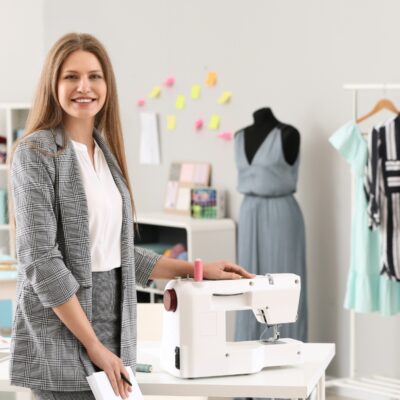

A uniform program doesn’t begin on the production floor. It begins with a sample.
Whether an organisation is ordering 200 uniforms or 20,000, sampling is one of the most important stages in the development process. It allows businesses to evaluate how a garment looks, fits, performs, and functions before committing to full-scale manufacturing.
Skipping or rushing this stage can lead to expensive production errors, inconsistent sizing, employee dissatisfaction, and unnecessary delays. By investing time in sampling, businesses can identify improvements early, when changes are still simple and cost-effective.
For organisations developing custom uniforms, sampling is an essential part of building a successful uniform program.
A Sample Turns a Design Into a Wearable Garment
Uniform concepts often begin with design sketches, digital visualisations, or technical drawings. While these are useful for communicating ideas, they cannot fully demonstrate how a garment will perform once it is worn.
A physical sample allows stakeholders to evaluate:
- Overall appearance
- Garment proportions
- Fabric behaviour
- Fit
- Construction quality
- Branding placement
Seeing and wearing a sample often reveals details that are difficult to identify on screen or on paper.
Fit Can Be Evaluated Before Production Begins
Even a well-designed uniform can become problematic if the fit is not suitable for the workforce.
Sampling provides an opportunity to assess:
- Sleeve length
- Trouser fit
- Jacket movement
- Collar comfort
- Overall garment proportions
Businesses often involve employees from different departments during this stage to understand how the uniform performs across a range of body types and job roles.
Adjustments made before production help reduce alteration requests and improve consistency once uniforms are rolled out.
Fabric Performance Can Be Assessed in Real Working Conditions
The appearance of a fabric is only one part of the evaluation process.
A sample allows organisations to observe how fabrics perform during everyday use.
This includes:
- Comfort throughout the shift
- Breathability
- Ease of movement
- Wrinkle resistance
- Fabric weight
- Overall durability
For example, a fabric selected for hospitality uniforms may perform differently from one used for corporate uniforms or industrial workwear because the working environments are completely different.
Sampling helps determine whether the chosen fabric is appropriate for the intended application.
Branding Can Be Reviewed Before Approval
Uniforms often include company branding through embroidery, printing, woven labels, or other applications.
The sampling stage allows businesses to evaluate:
- Logo size
- Placement
- Thread colours
- Print quality
- Overall visibility
Small adjustments at this stage can significantly improve the final appearance of the garment without affecting production timelines.
Employees Can Provide Practical Feedback
Uniforms are worn by employees every day, making their feedback valuable during development.
Wear trials often identify practical improvements such as:
- Pocket placement
- Ease of movement
- Garment length
- Fabric comfort
- Fastening preferences
Employees may also identify role-specific requirements that were not initially considered.
This feedback helps ensure the final custom uniform program supports the realities of the workplace rather than relying solely on design assumptions.
Sampling Helps Identify Manufacturing Improvements
A sample is also an opportunity for manufacturers to evaluate garment construction before large-scale production.
This may include reviewing:
- Seam construction
- Reinforcement points
- Stitch density
- Pattern accuracy
- Overall garment assembly
Addressing these details during sampling helps reduce production issues later and contributes to greater consistency across the finished order.
It Reduces the Risk of Costly Changes Later
Making changes after production has started is considerably more expensive than making changes during sampling.
Common adjustments identified during the sampling stage include:
- Sizing refinements
- Fabric substitutions
- Branding adjustments
- Pocket configuration
- Garment length
- Construction improvements
Resolving these issues before manufacturing begins helps avoid production delays, rework, and unnecessary costs.
Sampling Supports Large Workforce Rollouts

For organisations ordering uniforms for hundreds or thousands of employees, consistency is essential.
Approved samples become the benchmark for production.
Manufacturers use them as reference points for:
- Fabric specifications
- Colour standards
- Garment measurements
- Branding placement
- Construction quality
This helps ensure every production batch aligns with the approved standard throughout the lifecycle of the uniform program.
Sampling Strengthens Collaboration
Uniform development often involves multiple stakeholders, including procurement teams, HR, operations managers, department heads, and brand managers.
A sample provides a common reference for discussion, making it easier to review details, gather feedback, and approve final specifications.
This collaborative approach often leads to better decisions before manufacturing begins.
Sampling Is an Investment in the Success of the Uniform Program
Sampling may add time to the early stages of a project, but it often saves considerably more time during production and rollout.
It provides an opportunity to verify that the garment meets operational, branding, and workforce requirements before large-scale manufacturing begins.
For businesses investing in corporate uniforms, hospitality uniforms, healthcare uniforms, or industrial workwear, sampling remains one of the most effective ways to reduce risk and improve long-term outcomes.
Conclusion
Uniform sampling is much more than a design review. It is the stage where ideas are tested, practical improvements are identified, and production standards are established.
By evaluating fit, fabric performance, branding, construction, and employee feedback before manufacturing begins, organisations can build uniform programs that are easier to manage and more successful after rollout.
For large workforce projects in particular, a well-managed sampling process provides a strong foundation for consistent quality across every garment produced.
FAQs
1. Why does AttireCorp recommend sampling before bulk uniform production?
AttireCorp uses the sampling stage to evaluate garment fit, fabric performance, branding, construction quality, and functionality before manufacturing begins. This helps ensure the final custom uniform program meets operational requirements and reduces the likelihood of later production changes.
2. What is included in AttireCorp’s uniform sampling process?
AttireCorp’s sampling process typically includes design development, fabric selection, prototype creation, branding application, fit evaluation, wear trials where required, and client review before approving garments for full-scale production.
3. Can AttireCorp make changes after the first uniform sample?
Yes. Sampling aims to identify improvements before bulk production. AttireCorp works with clients to refine garment fit, fabrics, trims, branding, and construction details until the sample meets the project’s requirements.
4. Does AttireCorp provide sampling for different industries?
Yes. AttireCorp develops uniform samples for a wide range of industries, including corporate uniforms, hospitality uniforms, healthcare uniforms, aviation uniforms, industrial workwear, and other workforce apparel programs.
5. Why is sampling important for large workforce uniform programs?
For organisations managing hundreds or thousands of employees, an approved sample becomes the production benchmark. AttireCorp uses this reference to maintain consistency in sizing, fabrics, colours, branding, and garment construction throughout the entire manufacturing process.
