

Selecting a uniform supplier is not a simple purchasing decision. For procurement teams, it’s a long-term operational choice that affects cost control, consistency, employee satisfaction, and brand presentation.
In a market as competitive as the UAE, businesses are no longer choosing suppliers based on price alone. They are evaluating reliability, scalability, and the ability to support structured, uniform programs over time.
For organisations sourcing corporate uniforms in the UAE, here are the key factors procurement teams prioritize when selecting the right partner.
1. Consistency in Quality Across Orders
One of the biggest concerns for procurement teams is consistency.
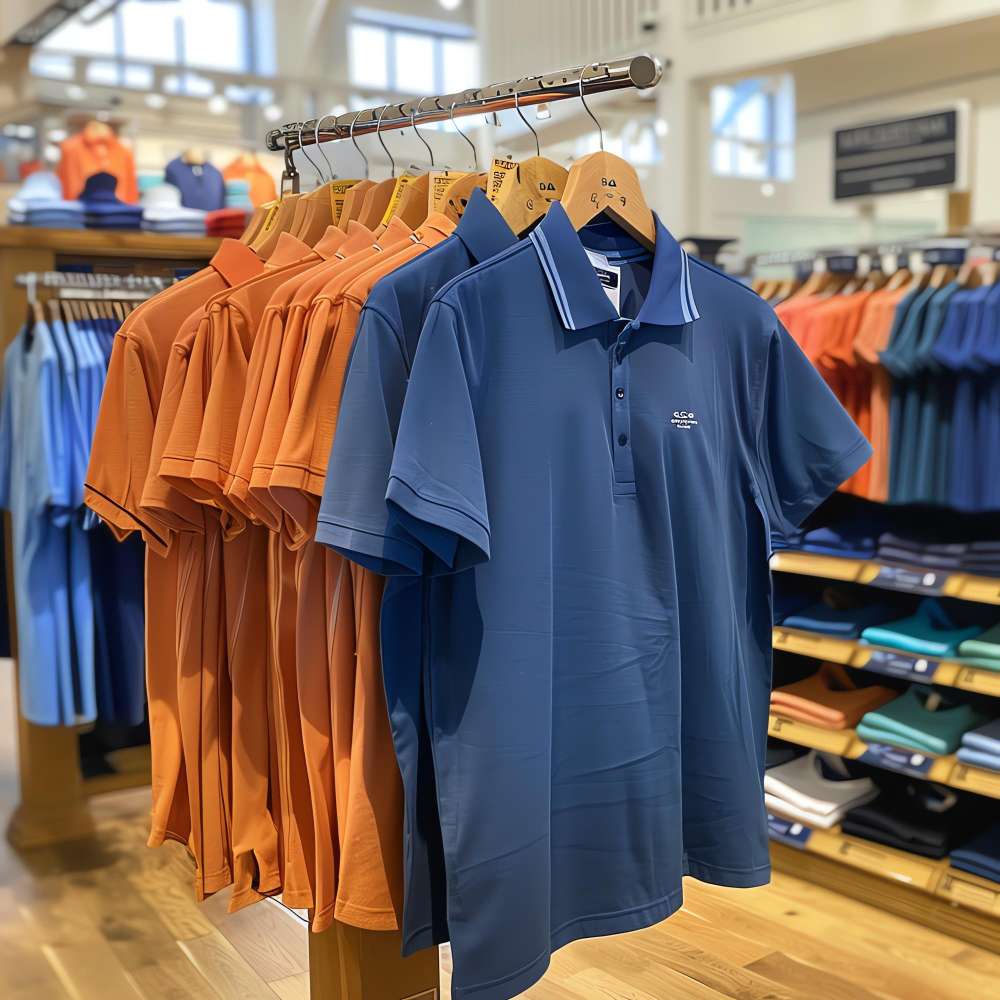
Uniforms are rarely ordered once. They are produced in batches over time — for new hires, replacements, or expansion. Any variation in fabric, color, or fit creates inconsistencies across teams.
Censure:
- Consistent fabric sourcing
- Colour matching across production cycles
- Standardised garment construction
- Uniform quality across all batches
Consistency is essential for maintaining a professional image across locations.
2. Ability to Handle Scale
Many organisations in the UAE operate across multiple sites with large teams. Procurement teams need suppliers who can manage volume without compromising on timelines or quality.
Working with an experienced bulk uniform supplier in the UAE or an established uniform manufacturing company ensures:
- Capacity for large production runs
- Structured delivery timelines
- Ability to support phased rollouts
- Scalability as the organisation grows
Suppliers who cannot handle scale often create delays and operational challenges.
3. Strong Fabric Knowledge and Guidance
Procurement teams rely on suppliers not just for production, but also for expertise.
Fabric selection plays a major role in how uniforms perform — especially in the UAE’s climate. Businesses expect suppliers to recommend materials that balance comfort, durability, and presentation.
LeadiGuidance on breathability and durability
- Recommendations based on industry useng uniform manufacturers in the UAE support clients with:
- Fabric options suited for workwear in the UAE
- Long-term performance considerations
This level of input reduces the risk of poor fabric choices.
4. Structured Measurement and Sizing Systems
Sizing issues are one of the most common challenges in uniform programs.
Procurement teams prioritize suppliers who can manage measurements efficiently, especially for large workforces.
Experienced corporate uniform suppliers in Dubai typically offer:
- On-site measurement sessions
- Standardised sizing systems
- Digital records for employee uniforms
- Efficient reordering without repeated fittings
This ensures consistency and reduces errors over time.
5. Customisation and Brand Alignment

Uniforms are an extension of a company’s brand. Procurement teams need suppliers who can deliver consistent branding across all garments.
When sourcing custom corporate uniforms, companies expect:
- Accurate logo application (embroidery or printing)
- Consistent colour matching
- Flexibility in design options
- Alignment with brand guidelines
Strong branding execution ensures that uniforms represent the company correctly in all environments.
6. Reliability in Timelines and Delivery
Delays in uniform delivery can disrupt operations — especially during onboarding or expansion phases.
Procurement teams look for uniform suppliers in the UAE who can commit to and meet deadlines consistently.
Key expectations include the following:
- Clear production timelines
- Reliable delivery schedules
- Ability to manage urgent requirements
- Transparent communication throughout the process
Reliability often becomes more important than price over the long term.
7. Experience Across Industries
Suppliers with experience across multiple industries bring a stronger understanding of requirements.
For example:
- Corporate environments require structured professional uniforms for companies
- Operational roles may require durable industrial workwear
- High-risk industries may need flame resistant clothing in the UAE or FR uniforms
Procurement teams prefer suppliers who understand these differences and can provide appropriate solutions.
8. Long-Term Partnership Approach
More companies are moving away from transactional relationships and looking for long-term partners.
Instead of placing one-time orders, procurement teams prefer suppliers who can support:
- Ongoing uniform programs
- Repeat production with consistency
- Inventory and replenishment planning
- Support during business expansion
Working with a trusted uniform manufacturing company or experienced uniform suppliers in the UAE ensures stability over time.
9. Cost Transparency and Value

While price remains important, procurement teams are focused on overall value rather than the lowest quote.
Low-cost suppliers often lead to higher long-term expenses due to poor quality, frequent replacements, or inconsistent production.
Procurement teams evaluate:
- Cost vs durability
- Long-term replacement cycles
- Quality consistency
- Service support
The goal is to achieve cost efficiency without compromising performance.
10. Ability to Support Complex Uniform Programs
Large organisations often require structured, uniform programs that involve multiple garment types, departments, and locations.
Procurement teams prioritise suppliers who can manage:
- Multiple uniform categories (corporate, workwear, safetywear)
- Large employee bases
- Centralised ordering systems
- Consistent supply across locations
This capability is essential for companies managing large or distributed teams.
The Bigger Picture
For procurement teams, selecting a uniform supplier is about reducing risk and ensuring long-term consistency.
Businesses investing in corporate uniforms in the UAE are prioritising suppliers who offer reliability, scalability, and expertise — not just production.
The right supplier becomes an operational partner, helping organisations manage uniforms efficiently while maintaining brand consistency and employee comfort.
