

Corporate uniforms are no longer treated as a basic requirement. In 2026, businesses across the UAE are approaching uniforms as part of a larger strategy — one that connects brand identity, employee experience, and operational efficiency.
As industries become more competitive and customer-facing roles more visible, the expectations from corporate uniforms in the UAE are evolving. Companies are no longer asking, “What should our staff wear?” — they are asking, “How should our uniforms perform, represent, and scale with the business?”
Here’s what businesses are prioritizing in 2026.
1. Functionality Over Formality
While appearance still matters, functionality is now a key decision factor.
Companies are moving away from overly structured uniforms that look good but don’t perform in real working environments. Instead, they are investing in professional uniforms for companies that support movement, long hours, and varied working conditions.
This is especially relevant in industries such as hospitality, aviation, and facilities management, where employees are constantly active. As a result, workwear in the UAE is increasingly influencing corporate uniform design — blending structure with practicality.
2. Climate-Appropriate Fabric Choices
The UAE’s climate continues to shape uniform decisions.
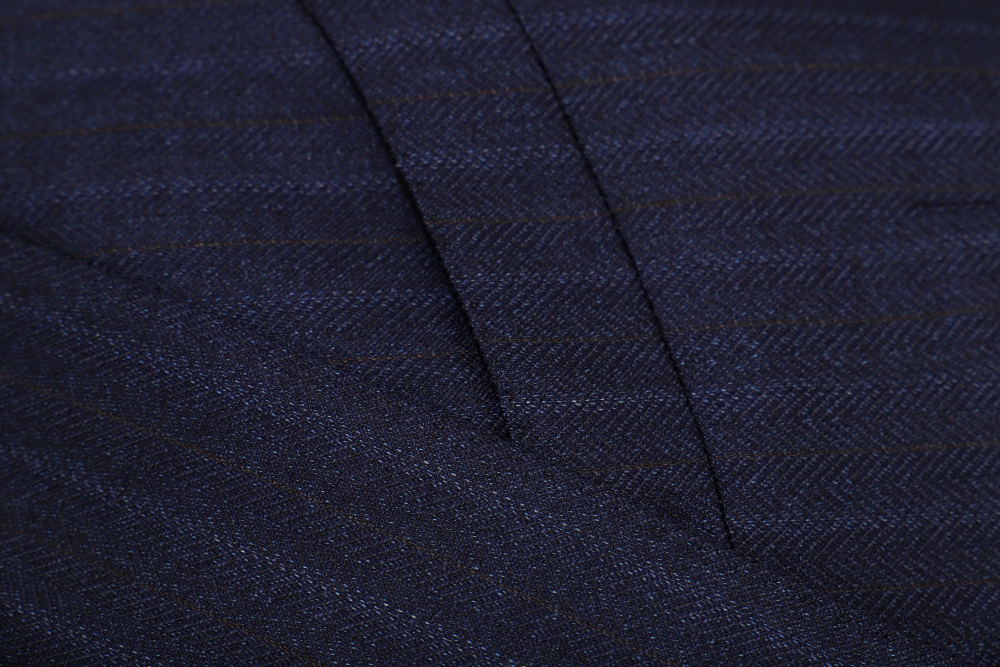
Businesses are prioritising lightweight, breathable fabrics that can handle heat, humidity, and long working hours. Fabric selection is no longer just about appearance — it directly impacts employee comfort and performance.
When working with uniform suppliers in the UAE, companies are focusing on:
- Breathable fabric blends
- Moisture management
- Durability under frequent washing
- Structure retention throughout the day
For many organisations, fabric performance has become as important as design.
3. Consistency Across Locations
As companies expand across multiple cities and regions, maintaining consistency has become a priority.
Whether a business operates in Dubai, Abu Dhabi, or internationally, uniforms must reflect the same standards everywhere. This has led to increased demand for structured uniform programs supported by reliable corporate uniform suppliers in Dubai and experienced uniform manufacturers in the UAE.
Businesses are now standardising:
- Colours and branding
- Fabric specifications
- Uniform styles across departments
- Ordering and replenishment systems
Consistency is no longer optional — it’s part of brand control.
4. Scalable Uniform Programs

Growth is a key focus for many UAE-based businesses, and uniform programs need to keep up.
Companies are prioritizing scalability—ensuring that uniforms can be produced, distributed, and replenished as teams grow.
Working with a reliable bulk uniform supplier in the UAE allows organizations to:
- Manage large workforce requirements
- Maintain consistent quality across batches
- Avoid delays during expansion
- Support onboarding of new employees efficiently
Uniform programs are now being built with long-term scalability in mind.
5. Improved Fit and Employee Comfort
Fit has become a major priority in 2026.
Poorly fitted uniforms affect not just appearance, but also employee confidence and comfort. Businesses are recognising that well-fitted garments contribute to a more professional and cohesive workforce.
This has led to increased demand for:
- Structured measurement processes
- Standardised sizing systems
- Made-to-measure options for key roles
- Better fitting across all employee uniforms
Leading uniform suppliers in the UAE are now supporting businesses with measurement programs and digital sizing records to ensure consistency.
6. Integration of Safety and Corporate Wear
In many industries, the line between corporate uniforms and safetywear is becoming less defined.
Companies are integrating elements of industrial workwear into their corporate uniform programs — especially for roles that involve both customer interaction and operational responsibilities.
For certain sectors, this also includes:
- Flame-resistant clothing in the UAE
- FR uniforms for high-risk environments
- Durable garments that combine safety and presentation
This shift reflects the need for uniforms that perform across multiple functions.
7. Supplier Partnerships Over One-Time Orders

Businesses are moving away from transactional purchasing and focusing on long-term partnerships.
Instead of placing one-off orders, companies are working closely with uniform suppliers in the UAE and uniform manufacturing companies that can support ongoing requirements.
This includes:
- Design and development of custom corporate uniforms
- Consistent production over time
- Inventory and replenishment planning
- Support during expansion phases
A strong supplier relationship ensures stability and consistency in uniform programs.
8. Technology-Driven Uniform Management
Technology is playing a growing role in how uniforms are managed.
Companies are adopting systems that track:
- Employee sizing data
- Uniform allocation
- Replacement cycles
- Inventory levels
These systems simplify operations and reduce errors, especially for organizations that manage large teams across multiple locations.
The Bigger Shift
In 2026, corporate uniforms in the UAE are no longer just about standardisation — they are about performance, scalability, and brand alignment.
Businesses that invest in structured uniform programs, supported by experienced uniform suppliers in the UAE, are seeing better consistency, improved employee satisfaction, and more efficient operations.
Uniforms have become part of how companies operate — not just how they appear.
