


No products in the cart.
High-visibility workwear is often viewed as a straightforward purchase.
A fluorescent garment, reflective strips, and the requirement is met.
In reality, selecting the right high-visibility workwear involves far more than choosing a colour and placing an order. Visibility requirements vary between industries, working environments, shift patterns, and job roles. A garment that works well for a logistics operation may not be suitable for a construction site, roadside project, or industrial facility.
For businesses investing in high visibility workwear in Saudi Arabia, understanding these differences before procurement can help improve safety, reduce replacement costs, and ensure workwear remains effective throughout its service life.
Visibility Requirements Depend on the Working Environment
Not all high-visibility garments are designed for the same conditions.
Before selecting workwear, businesses should assess where employees actually work.
For example:
Roadside and Infrastructure Projects
Employees often operate near moving vehicles and heavy equipment, making visibility a critical requirement throughout the day.
Construction Sites
Visibility needs may vary depending on site layout, equipment movement, and operational activities.
Logistics and Warehousing
Certain roles require high visibility primarily during loading, unloading, and vehicle interaction.
Industrial Facilities
Visibility requirements may depend on the nature of operations and workplace hazards.
The environment should always drive the specification—not the other way around.
Colour Selection Is More Important Than Many Realise
Most high-visibility garments use fluorescent yellow, orange, or similar colours.
However, colour choice should not be treated as a purely visual preference.
Factors to consider include:
- Working environment
- Industry standards
- Existing workforce identification systems
- Visibility requirements during different times of day
Many organisations also use colour variations to distinguish departments, contractors, supervisors, or operational teams.
When sourcing safety uniforms in Saudi Arabia, colour selection should support both visibility and workplace organisation.
Reflective Elements Require Careful Evaluation
Reflective tape is one of the most important components of high-visibility garments.
Its purpose is to improve visibility when light sources such as vehicle headlights or site lighting are present.
However, reflective performance can be affected by:
- Frequent washing
- Physical abrasion
- Exposure to sunlight
- General wear and tear
Businesses should evaluate how garments will be maintained and how often they are expected to be replaced.
A high-visibility garment is only effective if its reflective components continue performing as intended.
Climate Conditions Influence Garment Performance
Saudi Arabia’s climate creates additional considerations when selecting workwear.
Employees working outdoors may spend hours exposed to:
- High temperatures
- Direct sunlight
- Dust and sand
- Physically demanding tasks
This is why many organisations prioritise:
- Breathable workwear for hot climates
- Appropriate fabric weights
- Moisture management
- Comfort during extended shifts
A highly visible garment that is uncomfortable to wear can create daily challenges.
Consider comfort and visibility together.
Durability Affects Long-Term Cost
Procurement decisions often focus on initial pricing.
However, replacement frequency can have a significant impact on overall costs.
High-visibility garments are frequently exposed to:
- Abrasion
- Repeated laundering
- Outdoor conditions
- Physical work environments
Businesses investing in durable workwear in Saudi Arabia often evaluate:
- Fabric lifespan
- Colour retention
- Reflective tape performance
- Construction quality
A garment that lasts longer may offer better value than a lower-cost alternative requiring frequent replacement.
Different Roles May Require Different Garments
A common mistake is issuing identical high-visibility garments across all departments.
In practice, requirements often vary.
For example:
Site Supervisors
May require garments that maintain a professional appearance while ensuring visibility.
Construction Workers
Typically need garments capable of handling intensive daily use.
Logistics Personnel
May require lighter-weight options suitable for continuous movement.
Maintenance Teams
Often need workwear that balances visibility with practical functionality.
The most effective programs align garment specifications with how employees actually work.
Sizing and Fit Influence Compliance
High-visibility workwear cannot provide its intended benefits if employees avoid wearing it.
Poor fit is one of the most common reasons garments are worn incorrectly.
Issues can include:
- Restricted movement
- Excessively loose garments
- Discomfort during long shifts
When ordering industrial workwear in Saudi Arabia, businesses should ensure sizing systems accommodate the workforce appropriately.
Fit affects both safety and usability.
Replacement Planning Should Be Built Into Procurement
High-visibility garments are not permanent assets.
Over time:
- Colours fade
- Reflective materials deteriorate
- Fabrics wear down
Businesses should establish replacement schedules based on:
- Usage frequency
- Working conditions
- Inspection findings
Waiting until garments become visibly damaged often means replacement is happening too late.
Proactive planning helps maintain visibility standards consistently.
The Lowest-Cost Option Is Not Always the Most Cost-Effective
High-visibility workwear is often purchased in large quantities, making price an important consideration.
However, focusing solely on unit cost can lead to:
- Increased replacement frequency
- Reduced garment lifespan
- Greater long-term expenditure
Many procurement teams now assess:
- Cost per wear
- Maintenance requirements
- Replacement cycles
- Overall lifecycle value
This provides a more accurate picture of workwear performance over time.
Conclusion
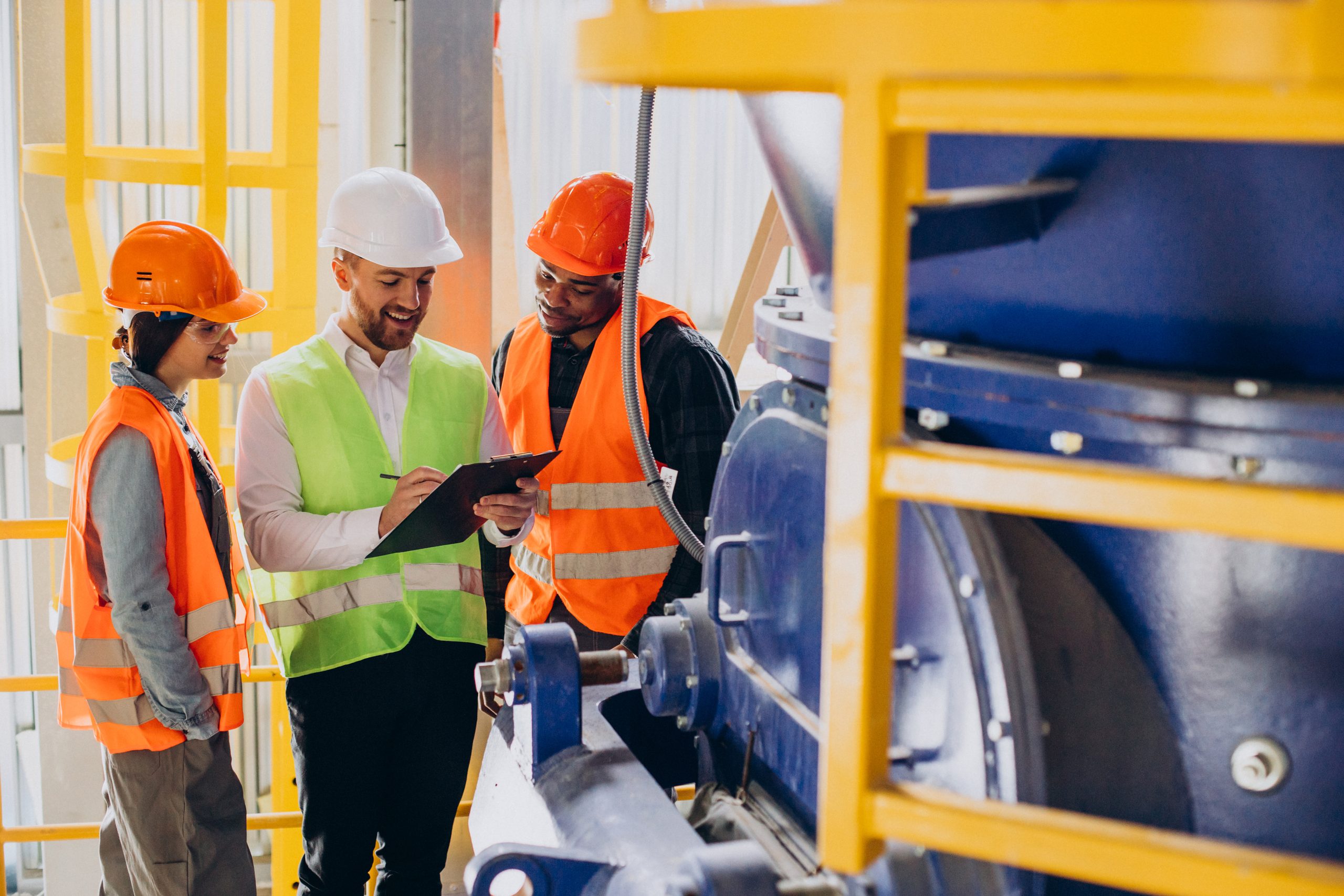
High-visibility workwear plays an important role in workplace safety, but selecting the right garments requires more than choosing fluorescent colours and reflective tape.
Working conditions, climate, durability, comfort, maintenance, and employee requirements all influence performance.
For businesses operating in Saudi Arabia, the most effective approach is to view high-visibility workwear as part of a broader safety and operational strategy rather than a simple procurement exercise.
The better the workwear aligns with real working conditions, the more effective it becomes.
FAQs
1. Does AttireCorp supply high-visibility workwear for industrial projects in Saudi Arabia?
Yes. AttireCorp supplies high visibility workwear in Saudi Arabia for construction, logistics, infrastructure, utilities, industrial facilities, and other sectors where visibility is a key requirement.
2. Can AttireCorp help businesses select suitable high-visibility garments for different job roles?
Yes. AttireCorp evaluates operational requirements, work environments, climate conditions, and workforce needs before recommending suitable garment options.
3. Does AttireCorp offer custom branding on high-visibility workwear?
Yes. AttireCorp can incorporate logos, company branding, and department identification elements while maintaining visibility and functionality requirements.
4. Can AttireCorp support large-scale industrial uniform programs?
Yes. AttireCorp manages everything from design consultation and sizing management to production, quality control, and distribution for large workforce projects.
5. Why do companies choose AttireCorp for industrial workwear solutions?
Businesses choose AttireCorp because of its focus on operational requirements, fabric performance, workforce comfort, and the ability to support workwear programs at scale.
