

When most people think of work uniforms, they think of branding, professional aesthetics, or perhaps the relief of not having to choose an outfit every morning. However, in many industries—from construction and healthcare to hospitality and manufacturing—the uniform is far more than just a “look.” It is a critical component of a company’s Health and Safety protocol.
While a logo identifies who you work for, the fabric and design of the garment often determine how safely you can do that work. Here is a look at the essential ways work uniforms improve workplace safety.
1. High Visibility and Accident Prevention
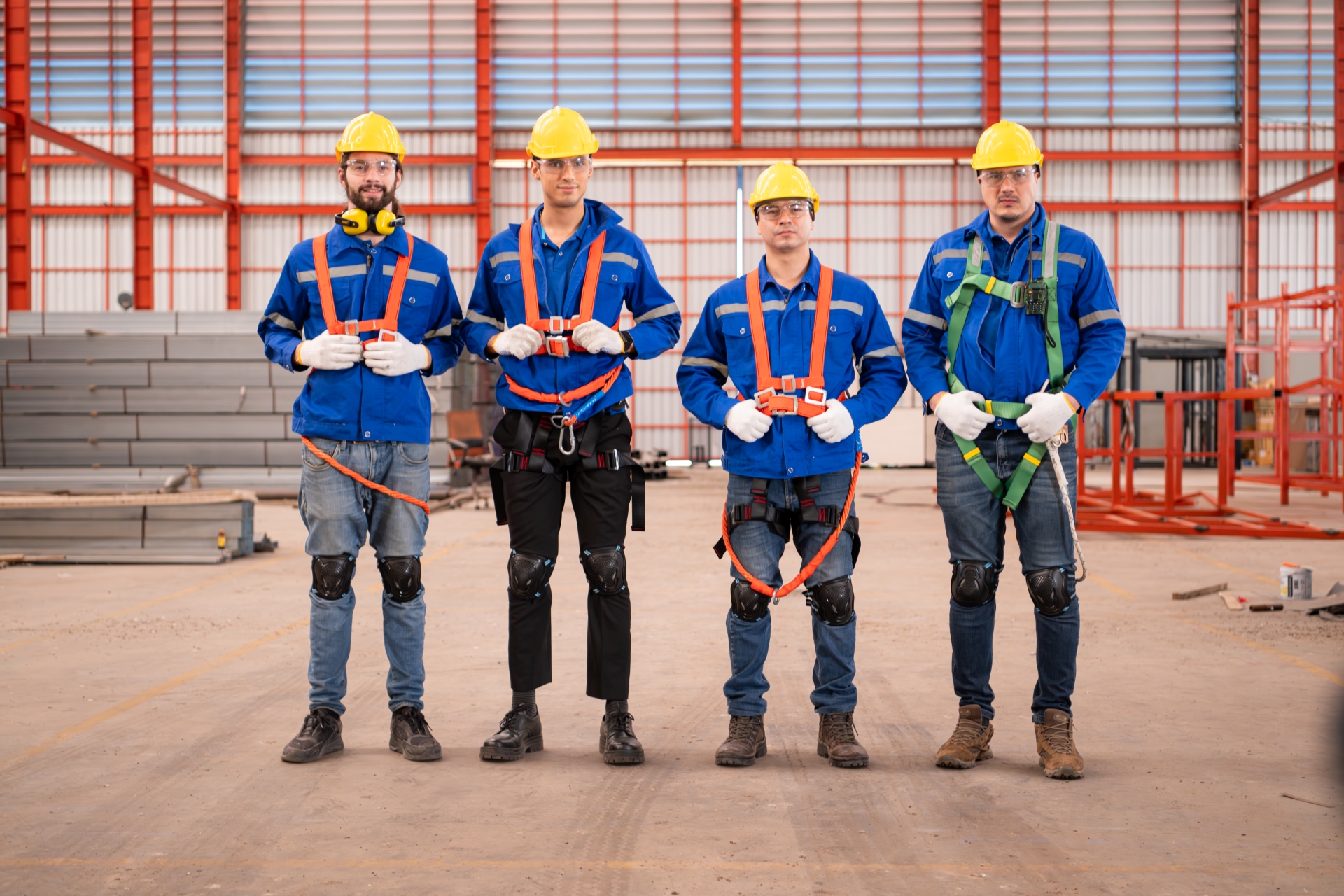
In high-traffic environments like warehouses, road construction, or airports, visibility is the first line of defense. High-visibility (Hi-Vis) uniforms, equipped with reflective strips and fluorescent colors, ensure that employees are seen by vehicle operators and heavy machinery drivers. By making a human being stand out against a complex background, uniforms directly reduce the risk of “struck-by” accidents, which remain a leading cause of workplace fatalities.
2. Protection Against Environmental Hazards
In many sectors, the “uniform” is actually Personal Protective Equipment (PPE). Different roles require specialized fabrics designed to mitigate specific risks:
- Flame-Resistant (FR) Clothing: Essential for electricians and oil/gas workers to prevent catastrophic burns from flash fires or electric arcs.
- Anti-Static Fabrics: Crucial in electronics manufacturing or chemical plants where a single spark could cause an explosion.
- Chemical Resistance: Specialized aprons and coveralls act as a barrier against corrosive substances.
3. Preventing Cross-Contamination
In healthcare and food service, uniforms aren’t just for the wearer’s safety—they protect the public.
- In Healthcare: Scrubs are designed to be laundered at high temperatures to kill pathogens, and specialized antimicrobial fabrics help prevent the spread of infections between patients.
- In Food Service: Uniforms (including hairnets and gloves) prevent hair, skin cells, and personal clothing fibers from contaminating the food supply.
4. Eliminating “Entanglement” Risks
Loose personal clothing—like baggy hoodies, dangling jewelry, or scarves—is a major hazard around moving machinery. Professional work uniforms are typically designed with a “streamlined” fit. By mandating tucked shirts, snag-free buttons, and sturdy fabrics, companies significantly reduce the risk of a worker being “caught in” or pulled into a machine.
5. Instant Role Identification
Safety often depends on knowing exactly who is in charge during an emergency. In a crisis, a uniform allows employees and customers to identify safety officers, first aid responders, or security personnel instantly. This clear visual hierarchy prevents chaos and ensures that instructions are followed by the right people at the right time.
The Bottom Line
A well-designed uniform program creates a “Safety First” culture. When an employee puts on their gear, it serves as a psychological cue that they are entering a professional environment where certain risks exist and protocols must be followed.
Investing in high-quality, fit-for-purpose uniforms is one of the simplest and most effective ways a business can protect its most valuable asset: its people. Safety isn’t just about what you do; it’s about what you wear.
