


No products in the cart.
Uniform design has traditionally been a slow, manual process.
Multiple rounds of sampling, long approval cycles, and inconsistencies between design and final production have been common challenges—especially for companies managing large teams.
Today, that process is changing.
With the introduction of AI and digital tools, businesses sourcing corporate uniforms in Saudi Arabia are moving toward faster, more controlled, and scalable design systems. For large organisations, this shift is not about experimentation—it’s about efficiency.
1. From Concept to Visualisation—Without Physical Samples
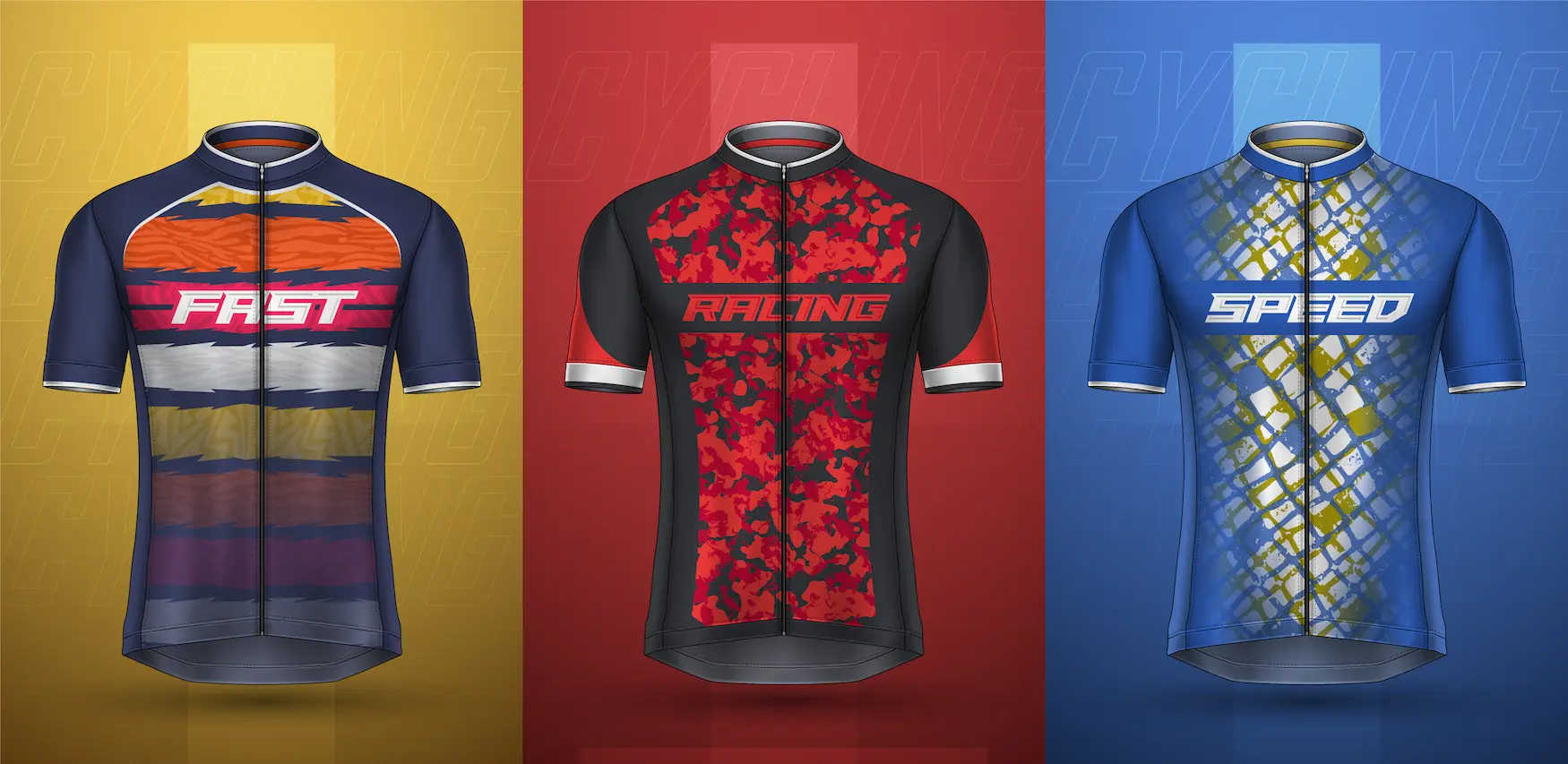
One of the most practical applications of AI in uniform design is digital visualisation.
Using tools like 3D uniform design visualization and CLO 3D uniform design, companies can:
- View designs on realistic digital models
- Test different fits, fabrics, and colors
- Make adjustments before a single sample is produced
For procurement teams, this reduces uncertainty. Instead of relying on sketches or descriptions, decision-makers can see how uniforms will actually look and behave.
This significantly shortens the design phase.
2. Reducing Sampling Time and Cost
Traditional uniform development often involves multiple physical samples.
Each revision adds:
- Time delays
- Additional costs
- Increased back-and-forth between teams
With digital uniform prototyping, most of these iterations happen virtually.
Businesses working with tech-enabled uniform suppliers in Saudi Arabia can:
- Finalise designs faster
- Reduce the number of physical samples
- Move from concept to production with greater clarity
For large companies, this creates measurable savings in both time and budget.
3. Improving Fit Across Large Workforces

One of the biggest challenges in uniform programs is fit consistency.
For companies managing hundreds or thousands of employees, manual sizing often leads to:
- Incorrect fits
- Higher alteration costs
- Delays in uniform distribution
AI-driven systems allow for:
- Digital size mapping
- Standardised sizing frameworks
- Better alignment between design and real-world fit
This is particularly valuable for large workforce uniform solutions, where consistency across employees is critical.
4. Faster Design Iteration and Decision-Making
AI tools allow teams to test multiple variations quickly.
Instead of waiting weeks for revised samples, businesses can:
- Compare design options instantly
- Adjust branding elements (colors, logos, trims)
- Evaluate different fabric behaviors digitally
This is especially useful for companies investing in custom uniforms in Saudi Arabia, where design precision is important.
Faster iteration leads to faster decisions—and fewer delays in rollout.
5. Enhancing Brand Consistency

For large organisations, maintaining brand consistency across uniforms is a challenge.
AI-supported design systems help standardise:
- Color codes across all garments
- Logo placement and sizing
- Design specifications for different roles
This ensures that uniforms produced for teams in Riyadh, Jeddah, or other regions remain identical.
Businesses adopting corporate uniform solutions in Saudi Arabia are increasingly using these tools to maintain control at scale.
6. Supporting Multi-Location Rollouts
Companies operating across multiple cities face additional complexity during uniform rollouts.
AI and digital systems support:
- Centralised design approvals
- Uniform specifications shared across locations
- Faster alignment between teams and suppliers
This is particularly useful for organisations working with uniform suppliers in Saudi Arabia who manage production and distribution across regions.
The result is fewer inconsistencies and smoother execution.
7. Data-Driven Design Decisions
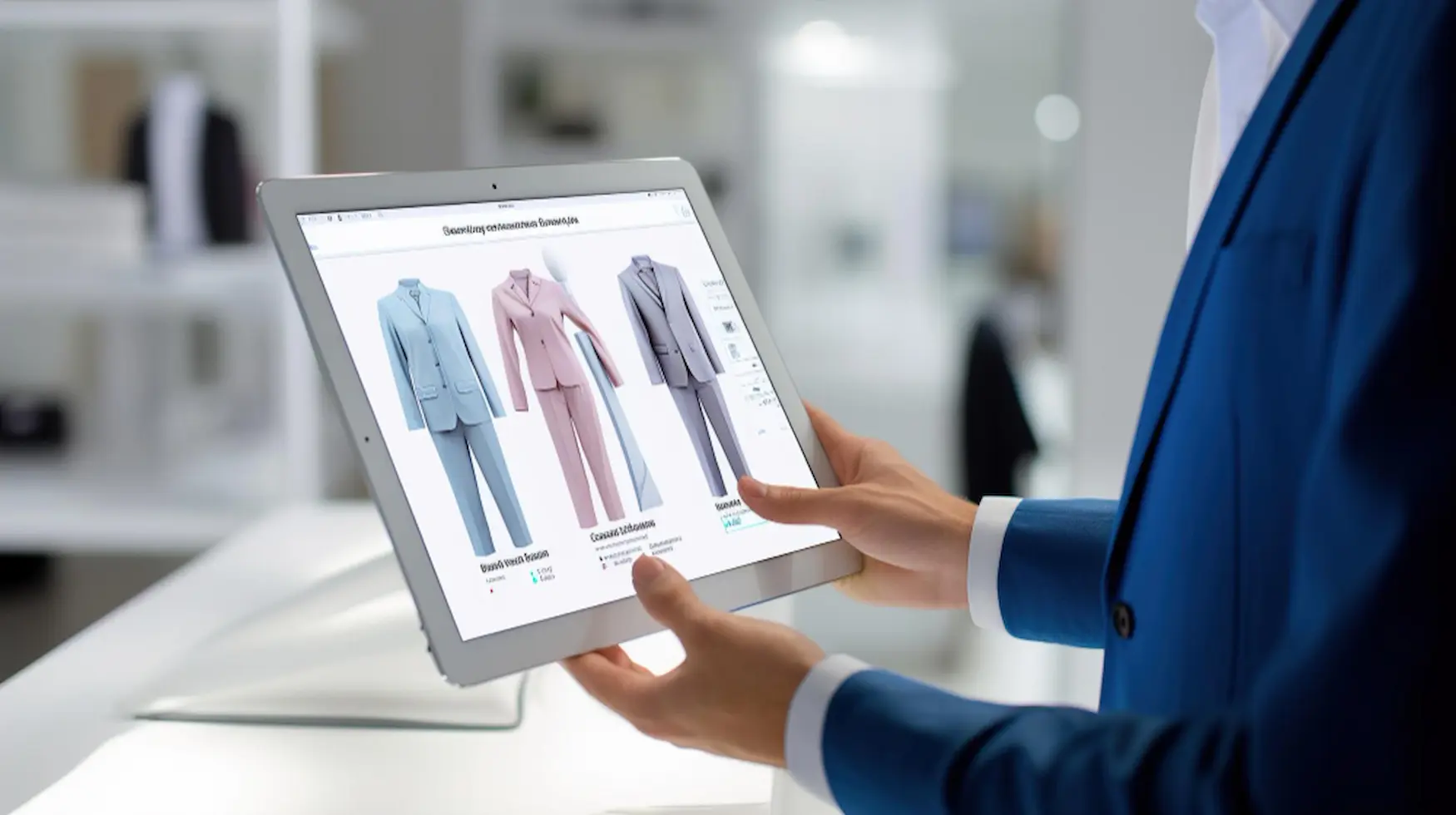
AI allows companies to move beyond assumptions.
Instead of relying purely on design preferences, businesses can:
- Analyse wear patterns
- Identify common fit issues
- Adjust designs based on real feedback
Over time, this leads to better-performing uniforms—both in comfort and durability.
For industries where uniforms are worn daily, this level of insight is valuable.
8. Balancing Innovation With Practicality
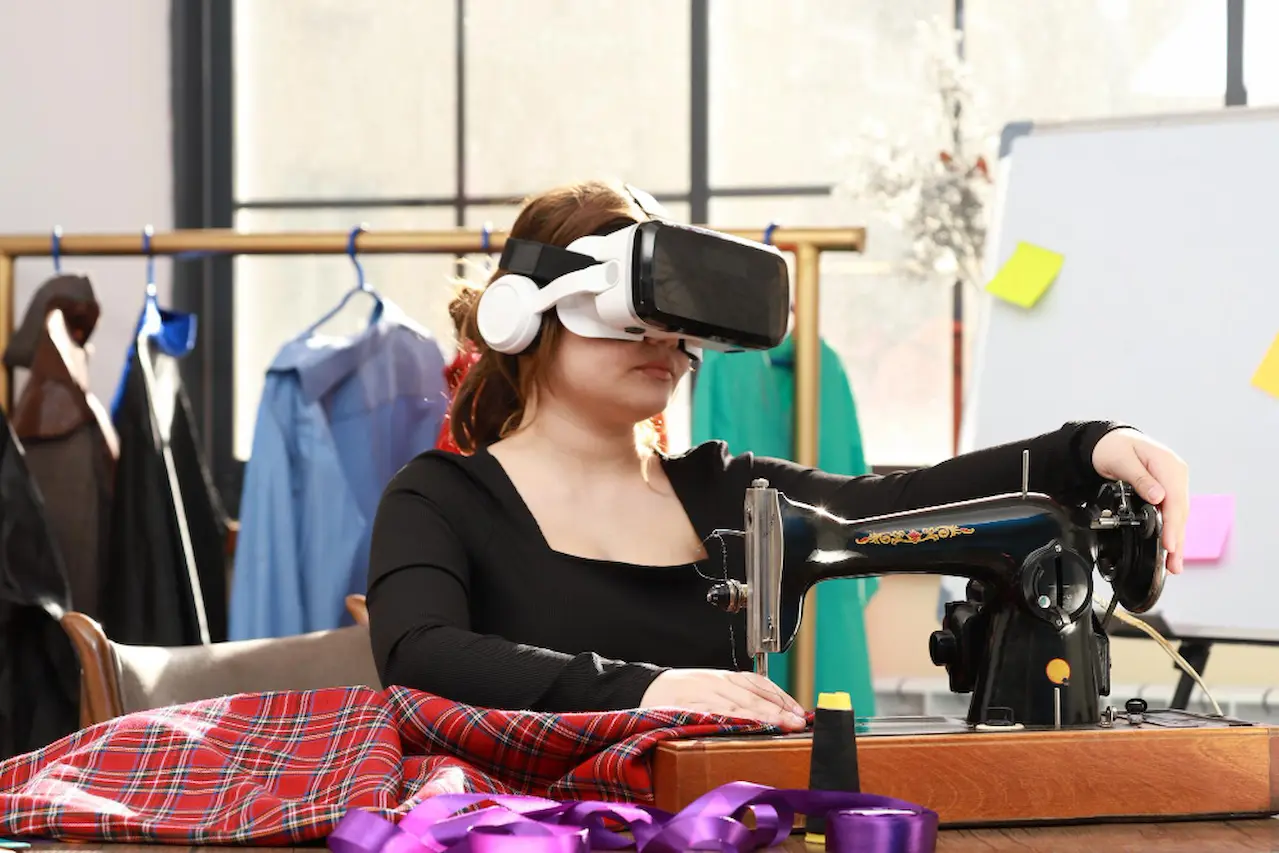
While AI introduces new possibilities, its role in uniform design is not to replace expertise.
It supports:
- Faster processes
- Better visualisation
- Improved consistency
The final outcome still depends on:
- Fabric selection
- Construction quality
- Supplier capability
This is why companies combine AI tools with experienced custom uniform design services providers who understand both technology and real-world application.
Closing Perspective
AI in uniform design is not a trend—it’s a shift in how large companies manage complexity.
For businesses in Saudi Arabia, where operations are scaling and expectations are high, these tools offer:
- Faster development cycles
- Greater design control
- Improved consistency across teams
The result is not just better uniforms.
It’s a more efficient system behind them.
