

No products in the cart.
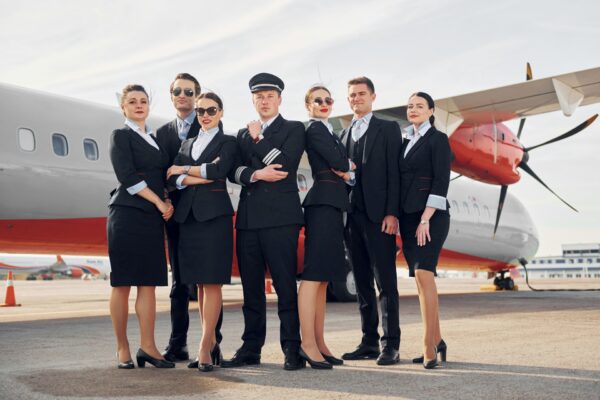
When you see a pilot walking through the terminal, their uniform commands immediate respect. It is a symbol of authority, safety, and decades of aviation tradition. However, the crisp white shirt and dark blazer we see today are the result of a long evolution in style and technology.
Whether you are an aspiring aviator or a frequent flyer, this guide breaks down the history, the hidden meaning of those golden stripes, and the modern innovations driving the industry today.
A Brief History: From Leather to Luxury
In the earliest days of flight, pilots were essentially open-air adventurers. They wore heavy leather jackets, fur-lined boots, and goggles to protect themselves from the freezing wind and engine spray. There was no “standard” look—only survival gear.
The shift toward the modern aesthetic began in the 1930s. Airlines like Pan Am wanted to instill confidence in passengers who were still nervous about air travel. To project an image of discipline and reliability, they looked to the Navy for inspiration. They swapped rugged flight suits for double-breasted blazers, officer-style caps, and the ranking systems used at sea. This “nautical” influence remains the global standard for commercial aviation.

Decoding the Stripes (Epaulets)
The most recognizable part of a pilot’s uniform is the epaulet—the striped shoulder board. These stripes aren’t just for decoration; they signify a pilot’s rank and level of responsibility.

Essential Accessories & Symbols
Every piece of a pilot’s attire is functional or symbolic:
- The Wings: Usually pinned above the left breast pocket, “wings” are a badge of honor representing a pilot’s qualification to fly.
- The Peaked Cap: While some airlines are moving toward a more relaxed look, the cap remains the ultimate symbol of the Captain’s authority.
- The Tie: Most airlines require a solid dark tie, often held in place by a branded tie-bar to ensure a neat appearance during cockpit maneuvers.
Modern Trends: Comfort Meets Technology
Today, companies like AttireCorp are redefining the modern uniform by blending classic aesthetics with cutting-edge textile technology. Modern pilots face long shifts, varying climates, and the physical demands of a cramped cockpit, which has led to several key trends:
1. High-Performance Fabrics
Gone are the heavy, itchy wools of the past. Modern uniforms utilize moisture-wicking, antimicrobial, and stain-resistant fabrics. These materials keep pilots cool during a “hot turn” on the tarmac and maintain a crisp, wrinkle-free look even after a 12-hour trans-oceanic flight.
2. Ergonomic Tailoring
Modern designers now focus on “active” fits. Since pilots spend hours sitting and reaching for overhead panels, uniforms are now crafted with stretch-incorporating weaves and gusseted seams to allow for a full range of motion without the fabric pulling or bunching.
3. Sustainability
Aviation is moving toward a greener future, and that includes the wardrobe. AttireCorp and other industry leaders are increasingly offering eco-friendly options, such as recycled polyester and organic cotton blends, ensuring that professionalism doesn’t come at the cost of the environment.
Conclusion
The pilot uniform is more than just workwear; it is a bridge between aviation’s prestigious past and its tech-driven future. From the four gold stripes of a Captain to the sustainable fabrics provided by innovators like AttireCorp, every detail is designed to convey one message: you are in safe hands.
