
In hospitality, uniforms are often viewed as a single category.
In reality, they are split into two very different worlds.
Front-of-house and back-of-house teams operate under completely different conditions—and their uniforms must reflect that. Treating them the same leads to inefficiencies, discomfort, and a disconnect between brand image and daily operations.
For businesses investing in hospitality uniforms in Saudi Arabia, understanding this difference is essential.
1. The Core Difference: Visibility vs Function
Front-of-house (FOH) roles are guest-facing.
Back-of-house (BOH) roles are operational.
This distinction shapes everything—from fabric selection to fit and durability.
- Front office uniforms for hotels are designed to represent the brand
- Kitchen and service uniforms are built to handle demanding work environments
The mistake many businesses make is prioritising appearance across all roles. In reality, each category requires a different approach.
2. Front-of-House: Built for Perception

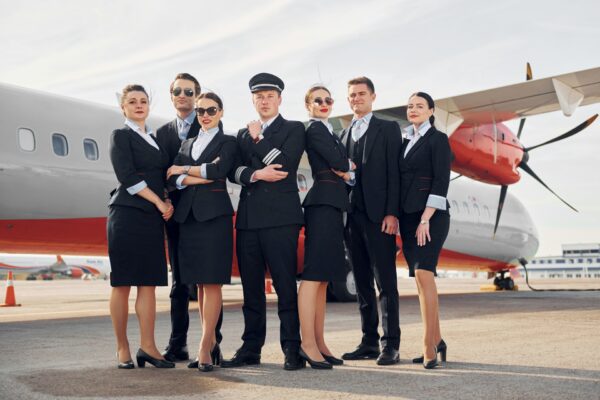
Front-of-house teams include reception, concierge, and service staff.
Their uniforms are part of the guest experience.
Hotels and restaurants expect:
- Structured silhouettes that maintain a polished look
- Clean finishing and consistent branding
- Tailored fits that align with the brand’s positioning
This is why demand for custom branded uniforms in Saudi Arabia is higher in FOH roles. The goal is to create a uniform that feels like an extension of the property—not just a functional garment.
In luxury settings, even small inconsistencies in fit or color are noticeable.
3. Back-of-House: Built for Performance

Back-of-house teams operate in completely different conditions.
Kitchens, housekeeping, and maintenance roles require uniforms that prioritise:
- Durability under continuous use
- Ease of movement
- Resistance to heat, stains, and frequent washing
This is where restaurant uniforms in Saudi Arabia and chef uniforms in Saudi Arabia must be designed differently from FOH attire.
For BOH roles, performance is not optional—it’s essential.
4. Fabric Selection: Two Different Requirements
Fabric choice is one of the biggest differentiators.
For front-of-house:
- Fabrics are selected for appearance, structure, and comfort
- Lightweight materials are preferred for long shifts
- Breathable workwear for hot climates ensures staff remain comfortable
For back-of-house:
- Fabrics must withstand heat, moisture, and repeated washing
- Stain resistance and durability are key
- Ease of maintenance becomes a priority
The same fabric cannot effectively serve both environments.
5. Fit and Movement
Front-of-house uniforms are often more structured.
They are designed to:
- Maintain shape throughout the day
- Present a clean, professional image
Back-of-house uniforms are more flexible.
They are designed for:
- Continuous movement
- Physical tasks that require comfort and range of motion
This difference directly impacts employee efficiency. Poorly fitted BOH uniforms can slow down work, while overly relaxed FOH uniforms can weaken brand perception.
6. Durability and Replacement Cycles
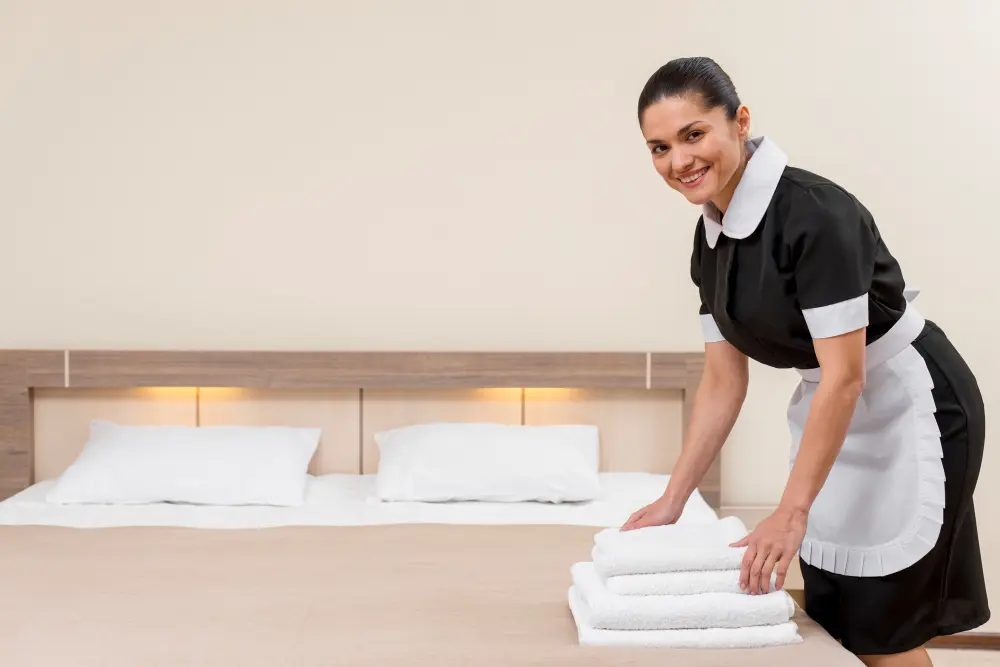
Back-of-house uniforms experience significantly more wear.
Frequent washing, exposure to heat, and physical activity mean:
- Shorter replacement cycles
- Higher demand for durable fabrics
Front-of-house uniforms, while still used daily, are primarily evaluated on how well they maintain their appearance over time.
Experienced uniform suppliers in Saudi Arabia guide businesses on balancing durability and presentation across both categories.
7. Branding vs Practicality
Front-of-house uniforms carry stronger branding elements:
- Visible logos
- Defined color palettes
- Tailored designs aligned with brand identity
Back-of-house uniforms focus less on branding and more on practicality.
For example:
- Housekeeping uniforms in KSA prioritise comfort and efficiency
- Kitchen uniforms minimise distractions and maximise function
This does not mean BOH uniforms are ignored—it means they are designed differently.
8. Operational Impact of Getting It Wrong
When FOH and BOH uniforms are not properly differentiated, businesses face:
- Reduced employee comfort and efficiency
- Increased replacement costs
- Inconsistent brand presentation
This is why leading hospitality businesses invest in structured corporate uniform solutions in Saudi Arabia that define clear standards for each role.
Uniforms are not just clothing—they are part of operations.
Closing Perspective
Front-of-house and back-of-house uniforms serve different purposes—but both are critical.
One shapes how the brand is perceived.
The other supports how the business runs.
In Saudi Arabia’s hospitality sector, where expectations are high and operations are demanding, understanding this difference is not optional.
It’s what separates functional uniform programs from effective ones.
